Pest Control
Pests multiply by the day, so the sooner a local provider treats your home, the smaller the job.
Seen droppings, ants, or signs of termites? Early action keeps repairs small. Conservativedeeper Pest Control connects you with an independent local provider in our network.
Pests follow a schedule. On day one, you spot a few ants or hear a scratch in the wall. By week two, there is a nest. By month two, there is damage. This site is built around that timeline.
Conservativedeeper Pest Control is a referral service for homeowners in Hammond, IN, and the Hammond area. Conservativedeeper Pest Control does not do the work itself. It connects you with an independent provider in our network who handles pest control, rodent and wildlife removal, or termite treatment.
Here is how it works:
Looking for an exterminator near me? Start here. Request a callback to check provider availability for your problem. Many providers can respond quickly, though hours vary by provider.
Prefer to write it out? Request an estimate and describe the problem in your own words. There is no obligation.
Most infestations are noticed late. The first sign is small: a trail of ants on the counter, a dropping behind the stove, a faint scratch in the ceiling at night. By then, the pests are already settled. Mice can start breeding within weeks. Roaches hide in dark gaps and come out after the lights go off.
This is the easiest window to act. Populations double. Rodents chew insulation and wire. Ants set up satellite colonies. Termites work silently inside wood, often for months before anything shows.
Now the damage costs real money. Chewed wiring is a fire risk. Droppings and soiled insulation need cleanup. Termite damage can weaken framing, which matters in older frame houses. Bed bugs spread from one bedroom to the next, and each new room adds to the job.
Spot one sign, then act. A local provider can inspect, identify the pest, and explain the options. Residential pest control works well when it starts early.
Conservativedeeper Pest Control covers Hammond, IN, and the Hammond area. Local conditions shape which pests show up and when, so providers in our network work with them every season.
Cold winters. Deep frost pushes mice, rats, and other animals indoors. Entry points around foundations, garages, and rooflines get tested from the first hard freeze.
Hot, humid summers. Ants, roaches, spiders, and crickets multiply fast in warm, damp weather. Termites swarm in spring and early summer.
Storms and flooding. Severe thunderstorms, hail, and spring flooding can damage siding, vents, and roof edges. Those gaps become new doors for pests and wildlife. Wet soil also drives insects toward the house.
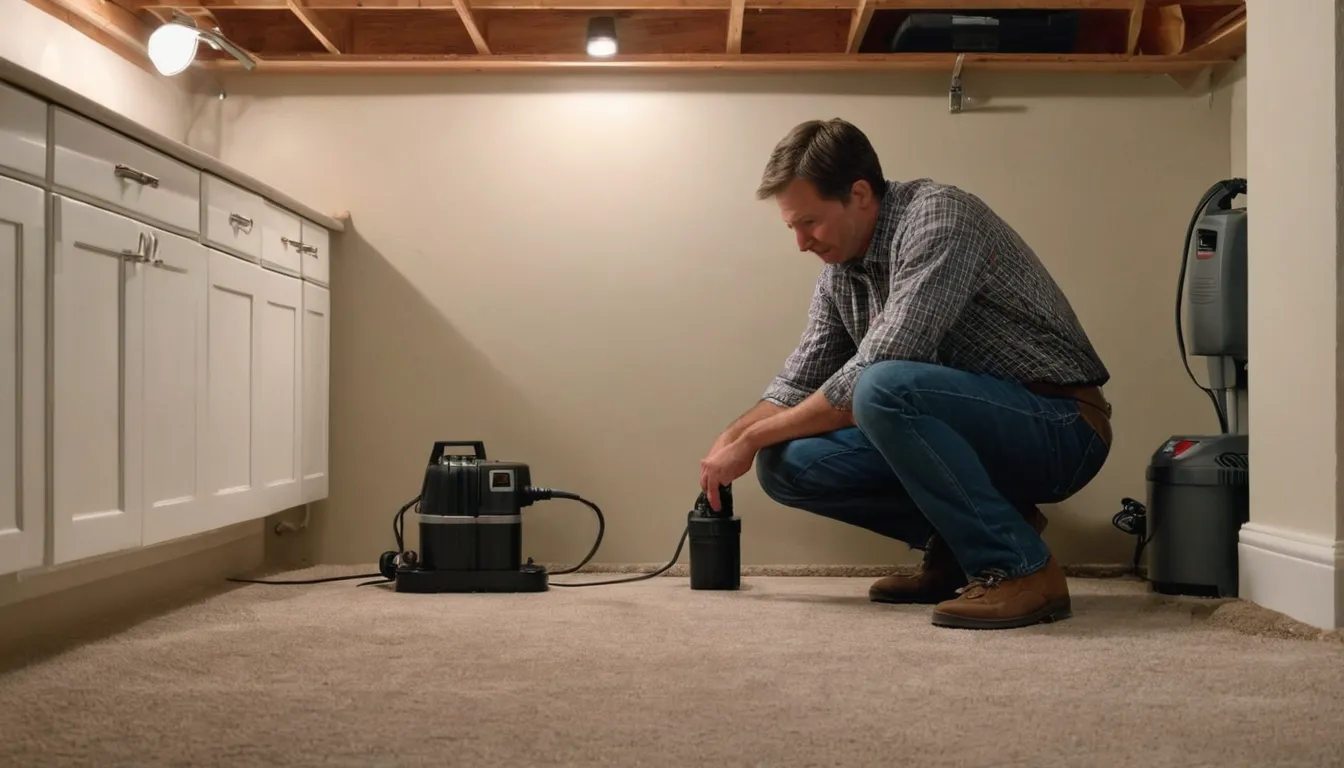
Older homes. Full basements with sump pumps, frame houses many decades old, bungalows, and ranch homes each have their own weak spots. Damp basements attract moisture pests. Wood framing close to soil invites termites. Attics and crawl spaces suit wildlife.
A provider will check the spots that fit your home type. Request a callback to check provider availability in your part of the area.
If you would rather send details first, request an estimate and list the rooms and signs involved.
Ten minutes is enough. Look under sinks, behind the water heater, along the basement sill, and around the attic hatch. You are looking for droppings, shed skins, wet wood, and small holes.
Caulk small gaps around pipes and cables. Fit door sweeps. Mice can pass through openings about the size of a dime, so check carefully.
Damp basements and leaky traps feed roaches, termites, and silverfish. Run the dehumidifier, and keep sump pump areas clear. Fix drips early.
Use sealed containers for pantry goods and pet food. Wipe crumbs nightly. Take out trash before it overflows.
Stack firewood off the ground and away from walls. Keep mulch a few inches below siding. Soil-to-wood contact is a common termite path.
Store-bought sprays can scatter pests instead of solving the problem. If you see activity after a week or two, bring in a provider. Bed bug treatment in particular is hard to do alone.
In the U.S., a one-time general pest visit often runs about $100 to $300. Rodent work and wildlife removal commonly range from a few hundred dollars to more, depending on entry points and repairs. Termite treatment varies widely with home size and method. Always get a written quote.
Some insurance policies may cover sudden damage, so check your policy. Providers can often help document damage for a claim.
Seen something crawling, scratching, or chewing? Do not wait for it to spread. Request a callback to check provider availability and describe the problem. Hours vary by provider.
You can also request an estimate. Share the pest, the room, and how long you have noticed it. A provider in our network will follow up with next steps and a written quote.
Three service types cover most homeowner calls. Each one is handled by independent providers in our network. Pick the closest match below. If you are unsure, describe the signs you have seen, and the provider can sort out the rest.
Pests multiply by the day, so the sooner a local provider treats your home, the smaller the job.
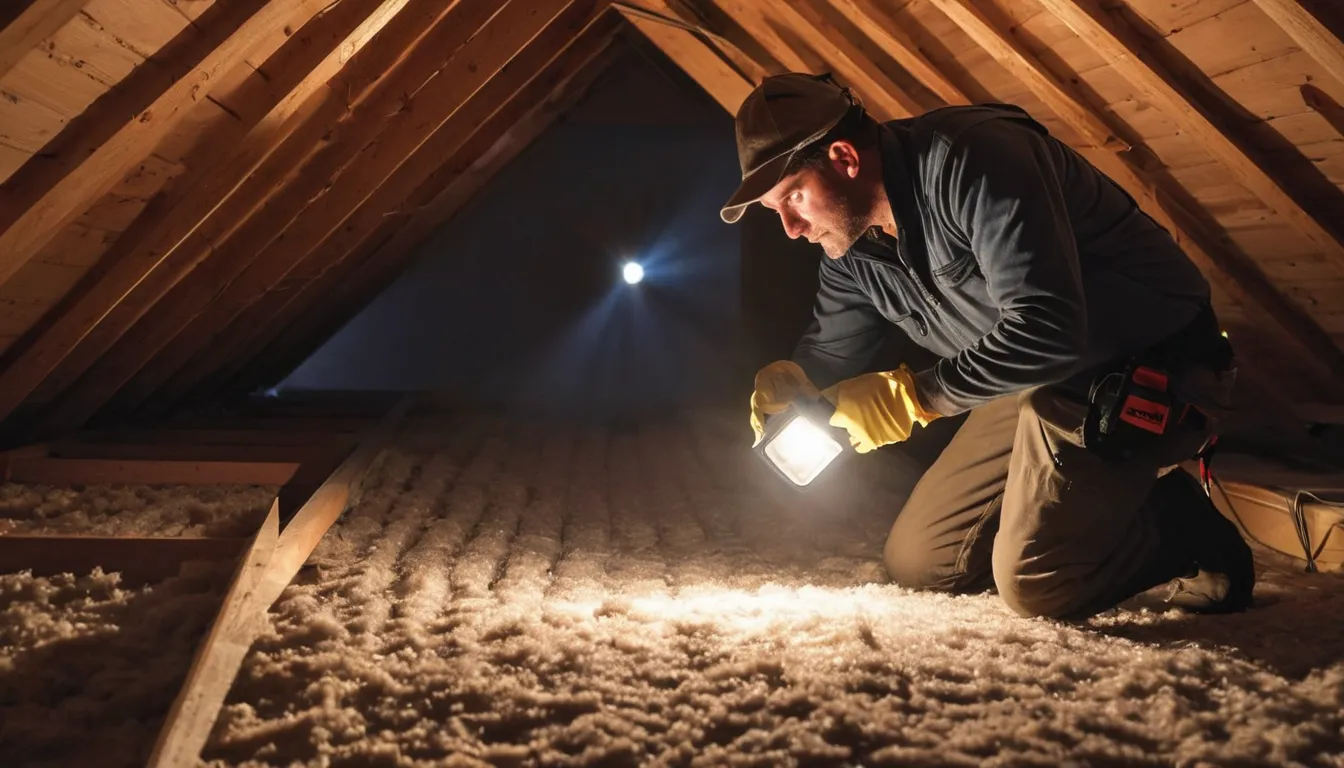
Rodents and wildlife damage wiring, insulation and drywall fast, so the first days after you notice a sign matter most.
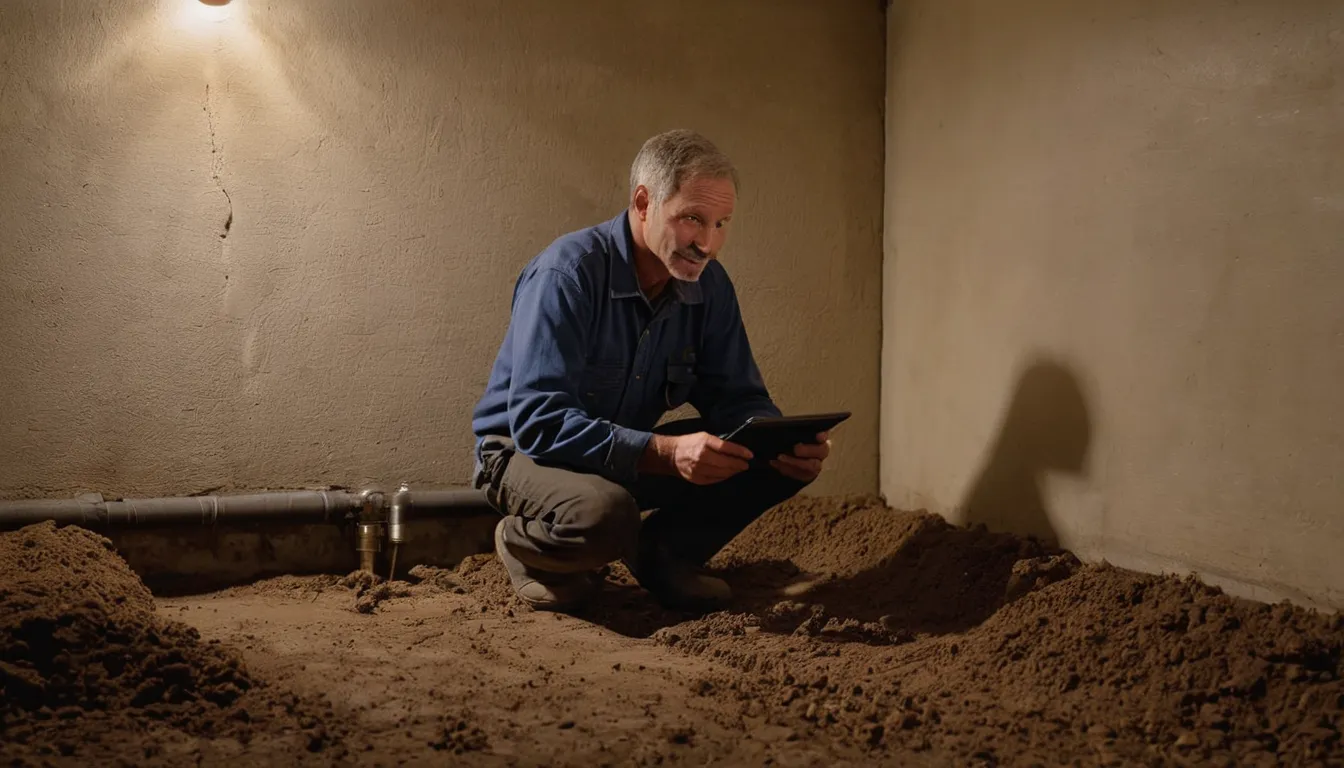
Termites feed out of sight, so the sooner a provider inspects, the smaller the repair usually stays.
Request a callback or send the request form. Conservativedeeper Pest Control connects you with an independent provider in our network. The provider reviews your problem, contacts you, and gives a written quote before any work starts.
Faster than most people expect. Mice can breed within weeks, and roaches spread through wall gaps quickly. Termites work out of sight for months. Acting on the first sign usually keeps the repair smaller and the treatment simpler.
For termites, look for mud tubes, shed wings, and wood that sounds hollow. For mice, look for droppings, gnaw marks, and scratching at night. Any of these signs is a good reason to ask a provider for an inspection.
No. Conservativedeeper Pest Control is a referral service. Independent local providers in our network inspect, treat, and remove pests, and they set their own pricing. You receive a written quote from the provider before work starts.
Costs vary by pest, home size, and severity. In the U.S., a general pest visit often runs about $100 to $300, while rodent, wildlife, bed bug, and termite work can cost more. Ask the provider for a written quote and compare what it includes.